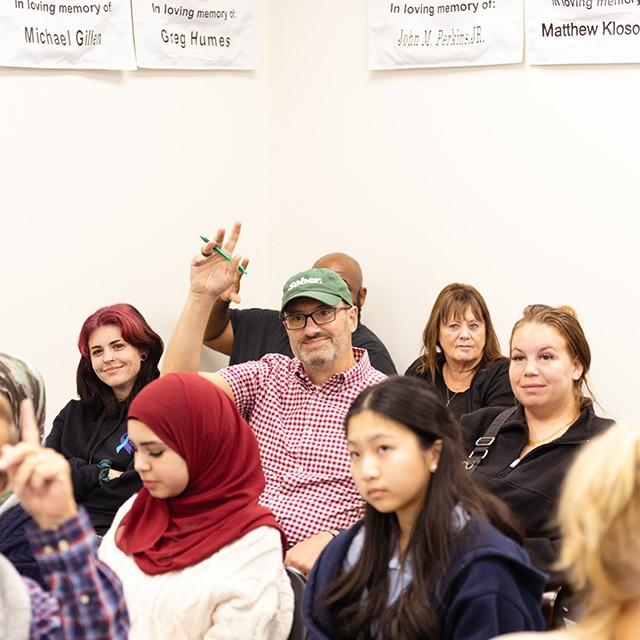
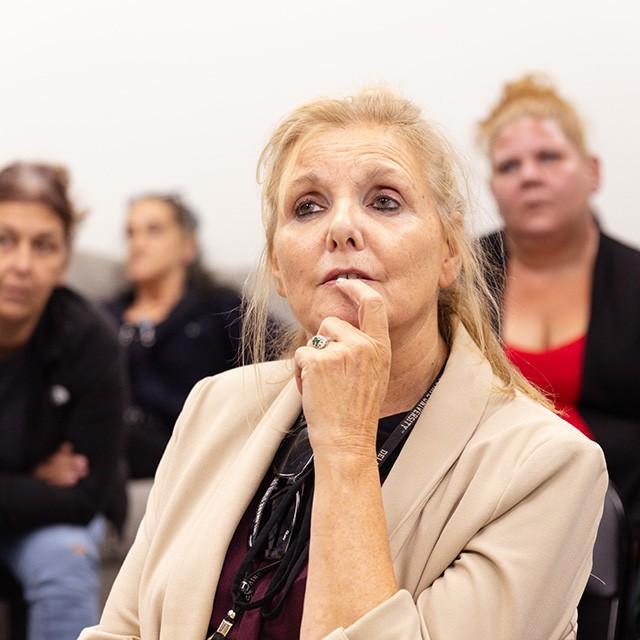
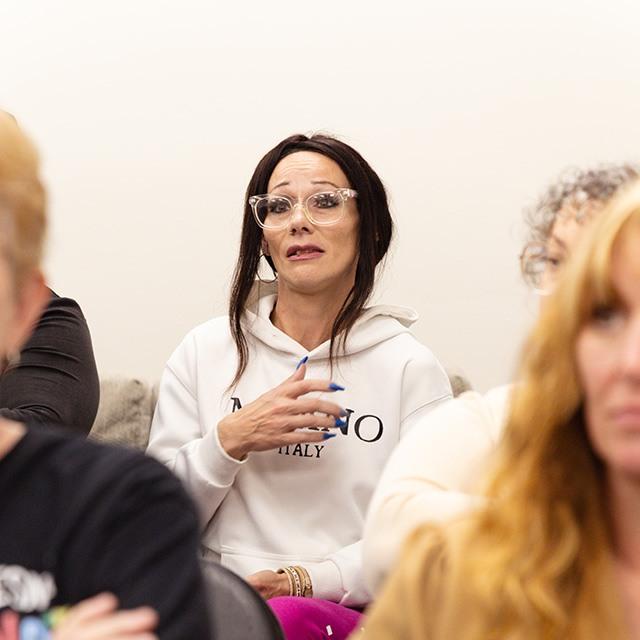
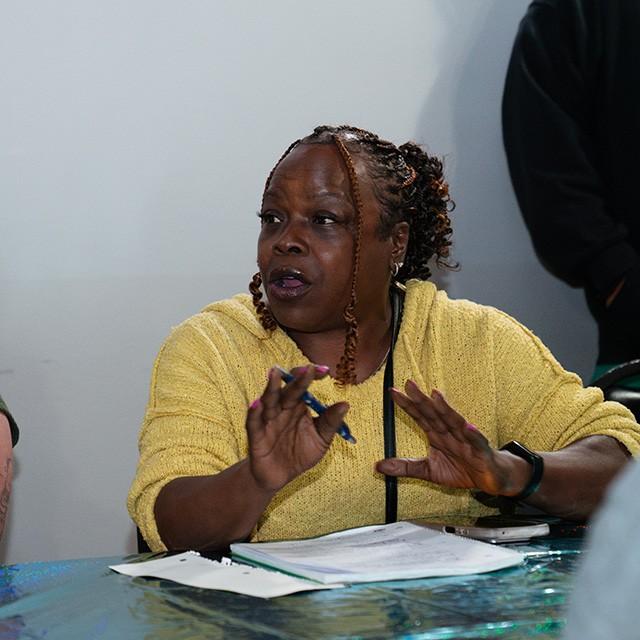
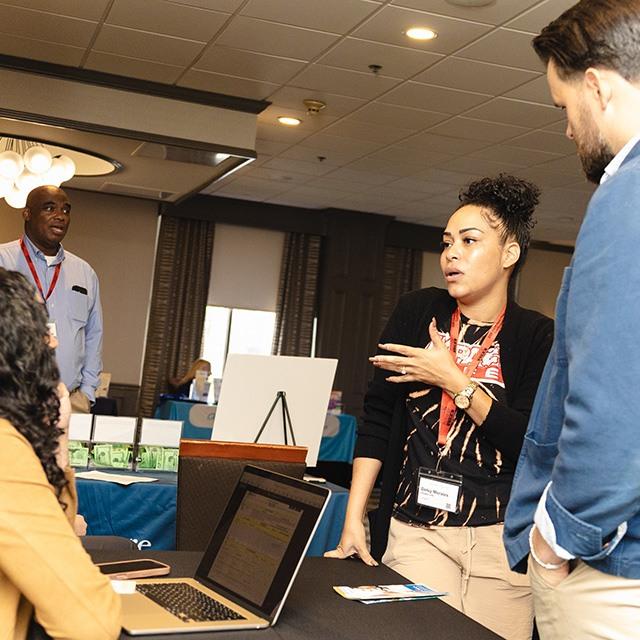
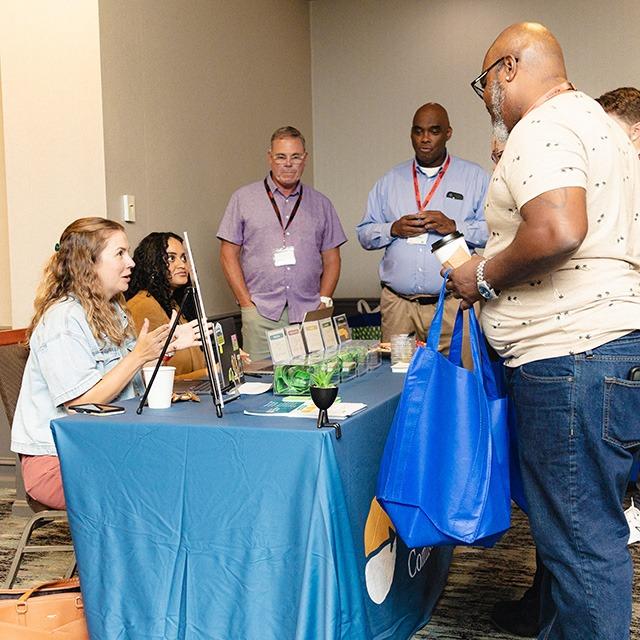
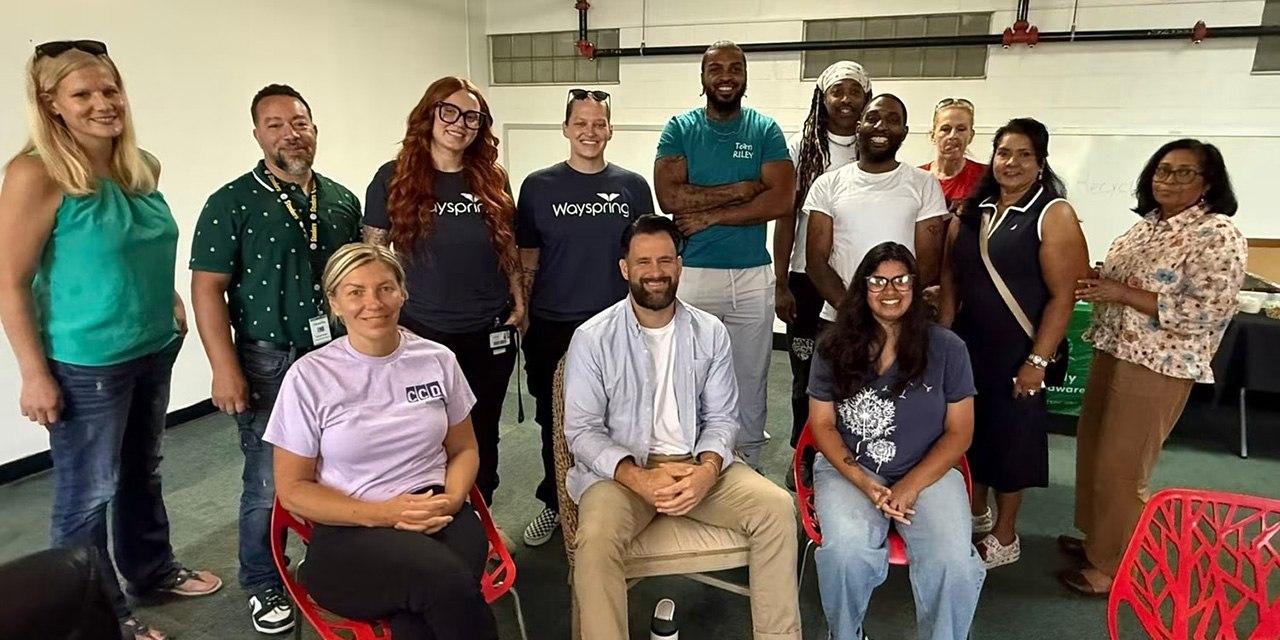
Attack Addiction Listening Session – October 6, 2026
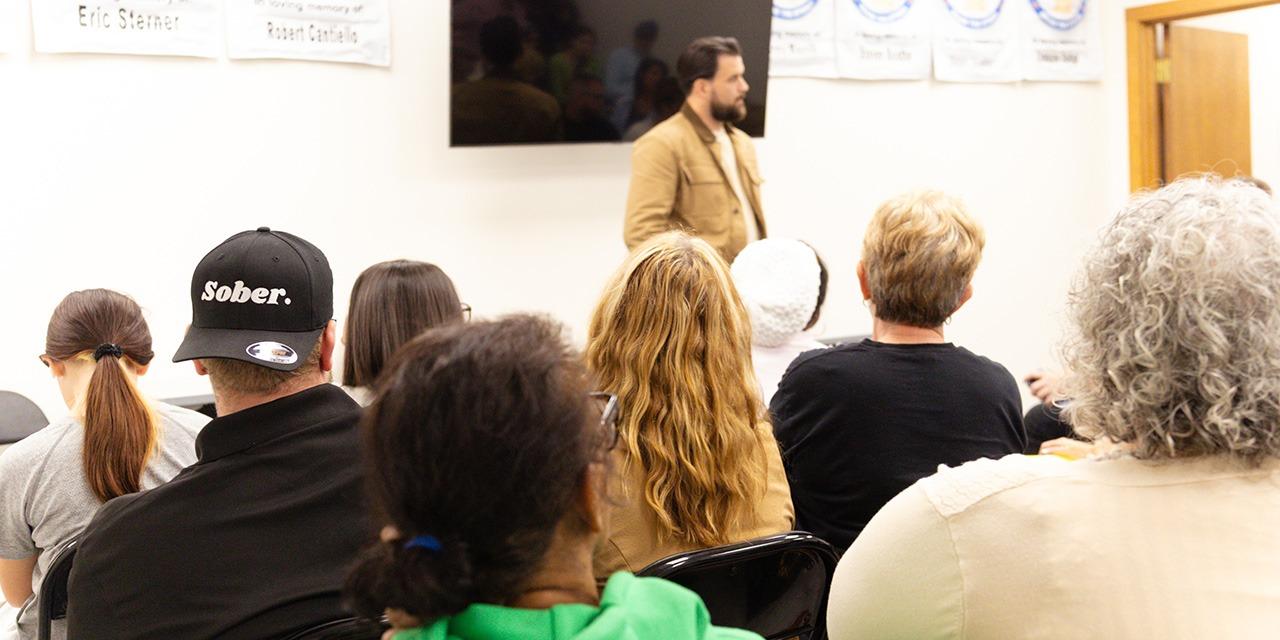
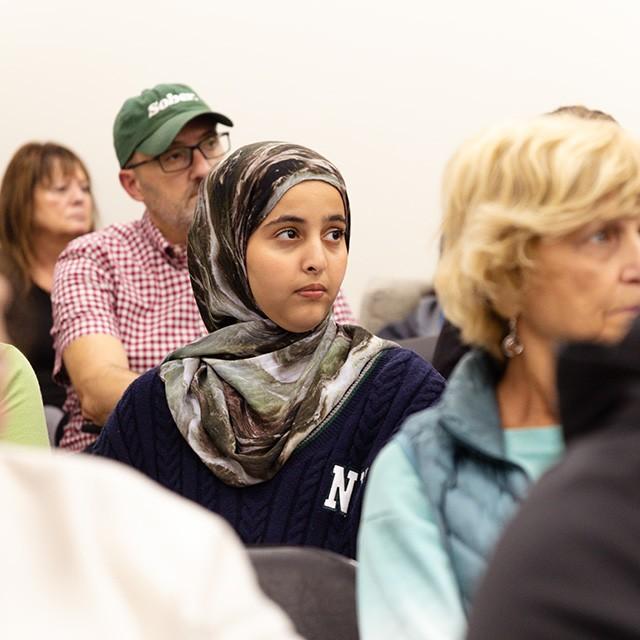
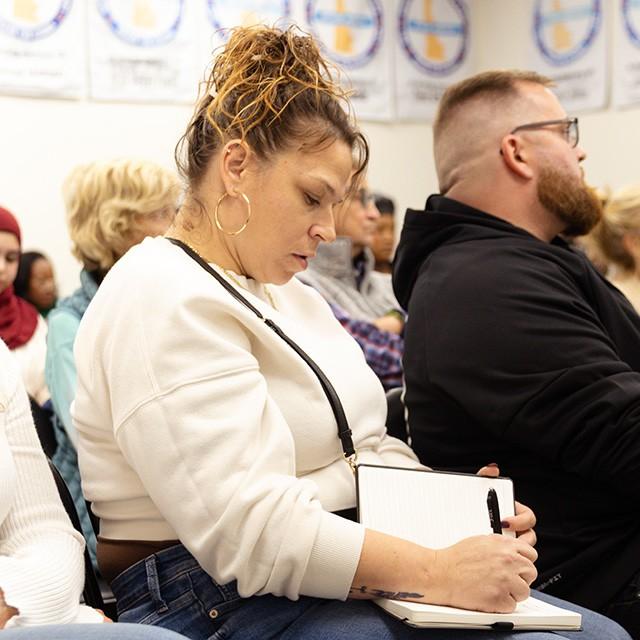
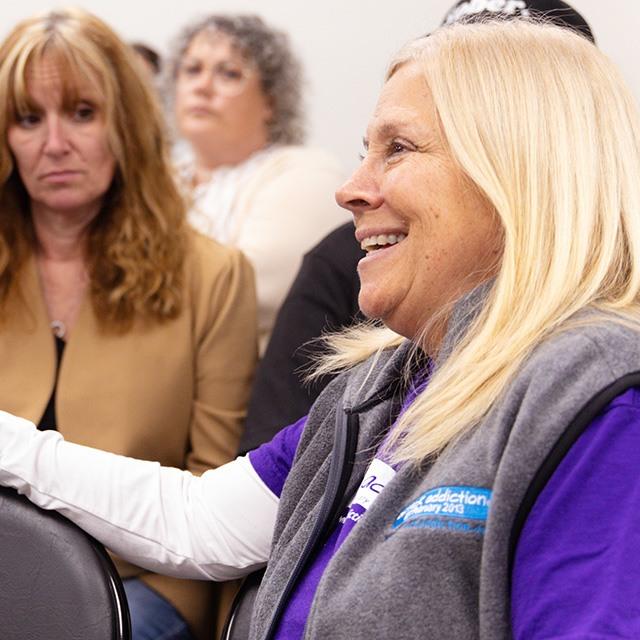
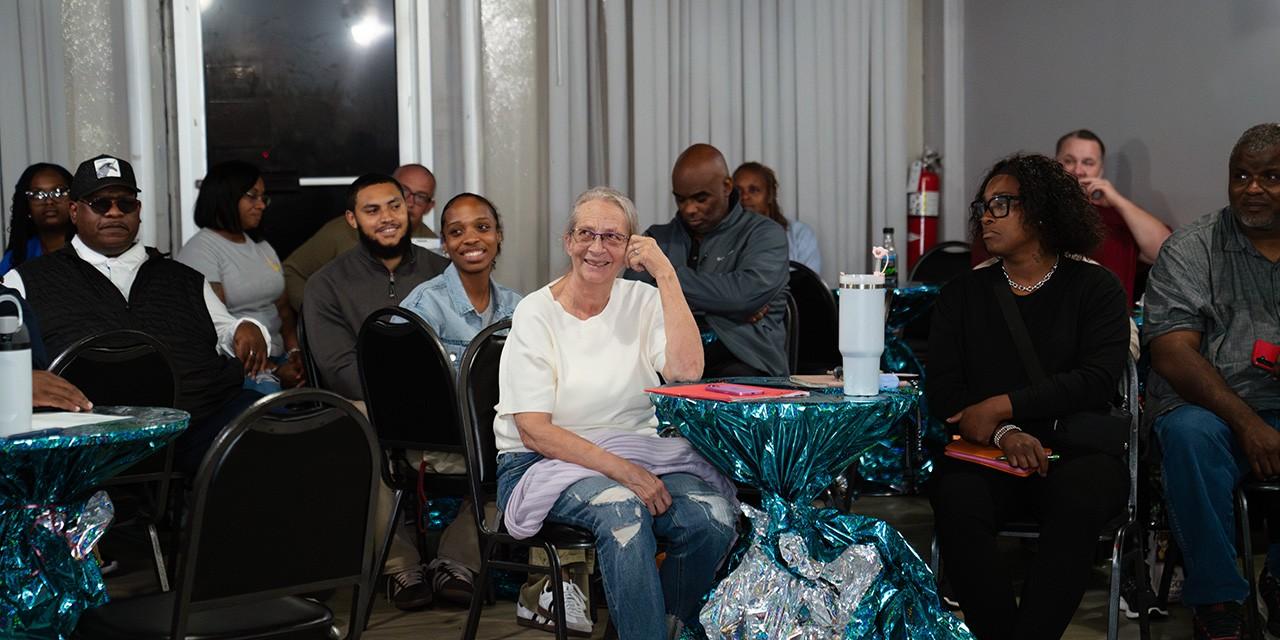
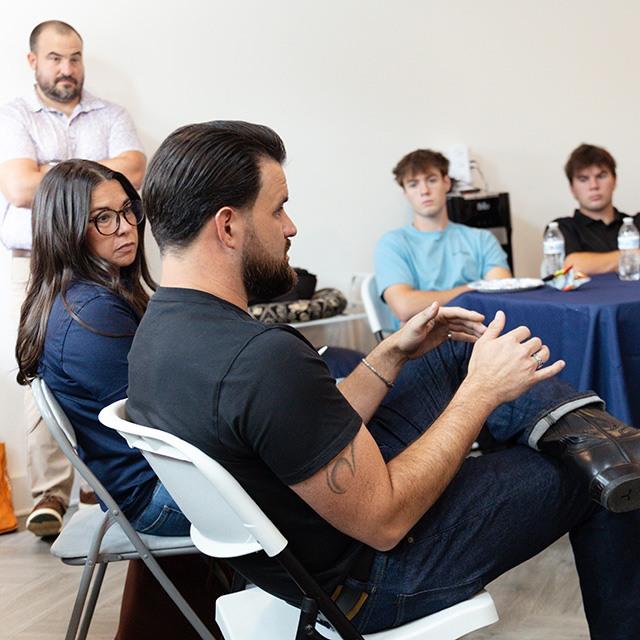
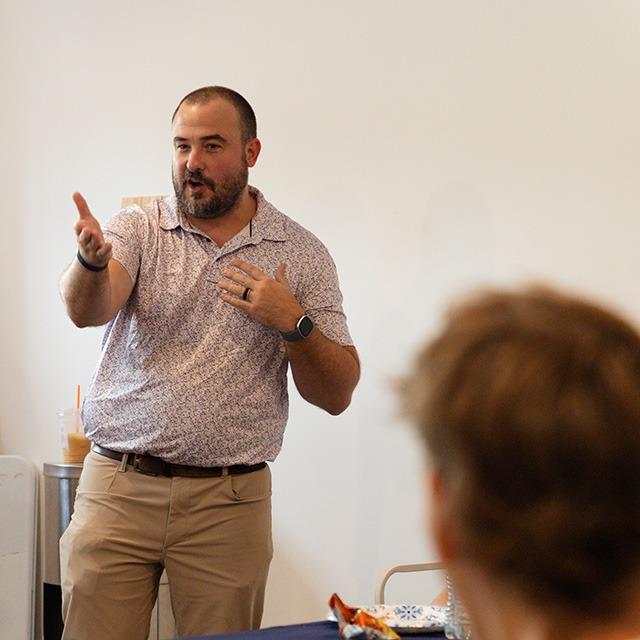
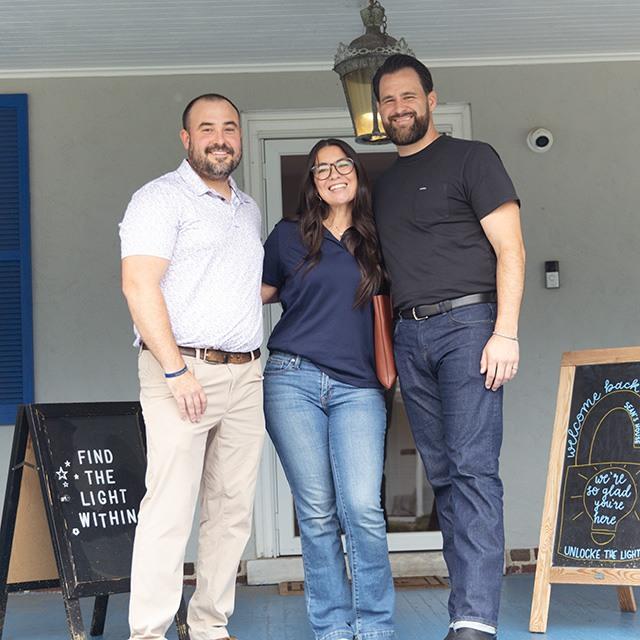
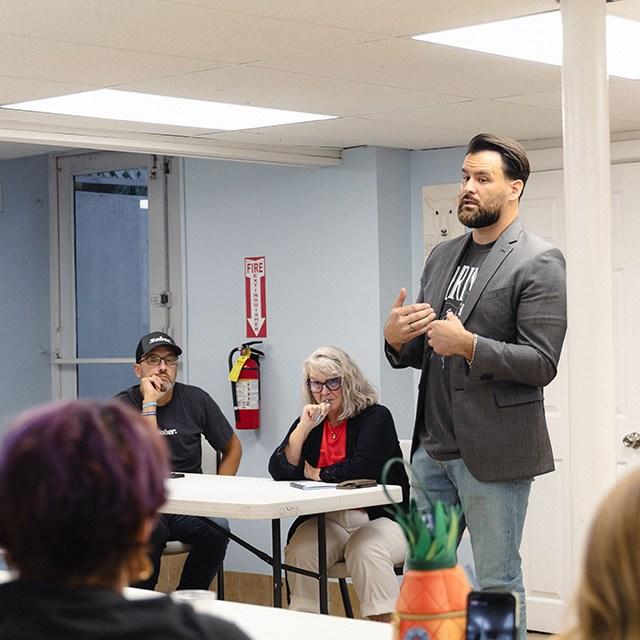
Location: 210 Peoples Plaza, Newark, DE (Resource Center for Attack Addiction & Impact Life) Community Host: Attack Addiction Approximately 30 community members, individuals in recovery, service providers, and local advocates gathered to share critical priorities, practical solutions, and community-identified recommendations for future Opioid Impact Fee Fund investments: Provide cell phones and prepaid service plans to individuals in recovery to facilitate job searches, transportation access, and connection to support networks. Fund dedicated housing, case managers, and navigators for up to 2–3 years to maintain stability while individuals navigate the Section 8 housing application process. Expand long-term stable housing partnerships with organizations like Habitat for Humanity to build sustainable, permanent housing pathways. Utilize temporary pallet housing models with embedded wraparound case management, and repurpose unused public or commercial infrastructure (such as closed schools or malls) into transitional shelter space. Establish temporary child care funds to bridge the immediate care gap for parents entering treatment, mitigating the long wait times associated with Purchase of Care (POC) enrollment. Provide dedicated funding for specialized trauma therapy and evidence-based mental health programs for individuals in recovery. Establish family reunification grants to fund clinicians and trauma therapy designed to rebuild parent-child relationships, including pilot programs tailored for correctional settings. Establish comprehensive support systems for children and caregivers affected by parental addiction, providing funding for school supplies, sports equipment, and trauma therapy for foster youth and children who have lost a parent. Fund justice system navigation services to assist individuals with felony records in expunging criminal records and navigating legal barriers. Design financial incentive programs for credit rebuilding that restrict credit access during active treatment while providing financial rewards upon reaching key recovery milestones. Expand workforce development programs and employer incentives by subsidizing wages for businesses hiring individuals in recovery, partnering with the Department of Labor, Division of Vocational Rehabilitation, Workforce Development Board, and industry groups like the Delaware Restaurant Association. Fund animal care initiatives and shelters staffed by individuals in recovery to deliver dual benefits in animal welfare and peer workforce development. Engage youth in prevention and education initiatives in partnership with the Department of Education (DOE), deploying relatable peer educators to train school administrators and staff. Subsidize public transportation options by expanding bus pass programs to lower transit barriers for medical appointments, work, and recovery meetings. Support community gardens to foster local nutrition, community engagement, and therapeutic outdoor spaces. Launch public messaging campaigns and modernize resource websites to improve community outreach, awareness, and real-time service visibility.